
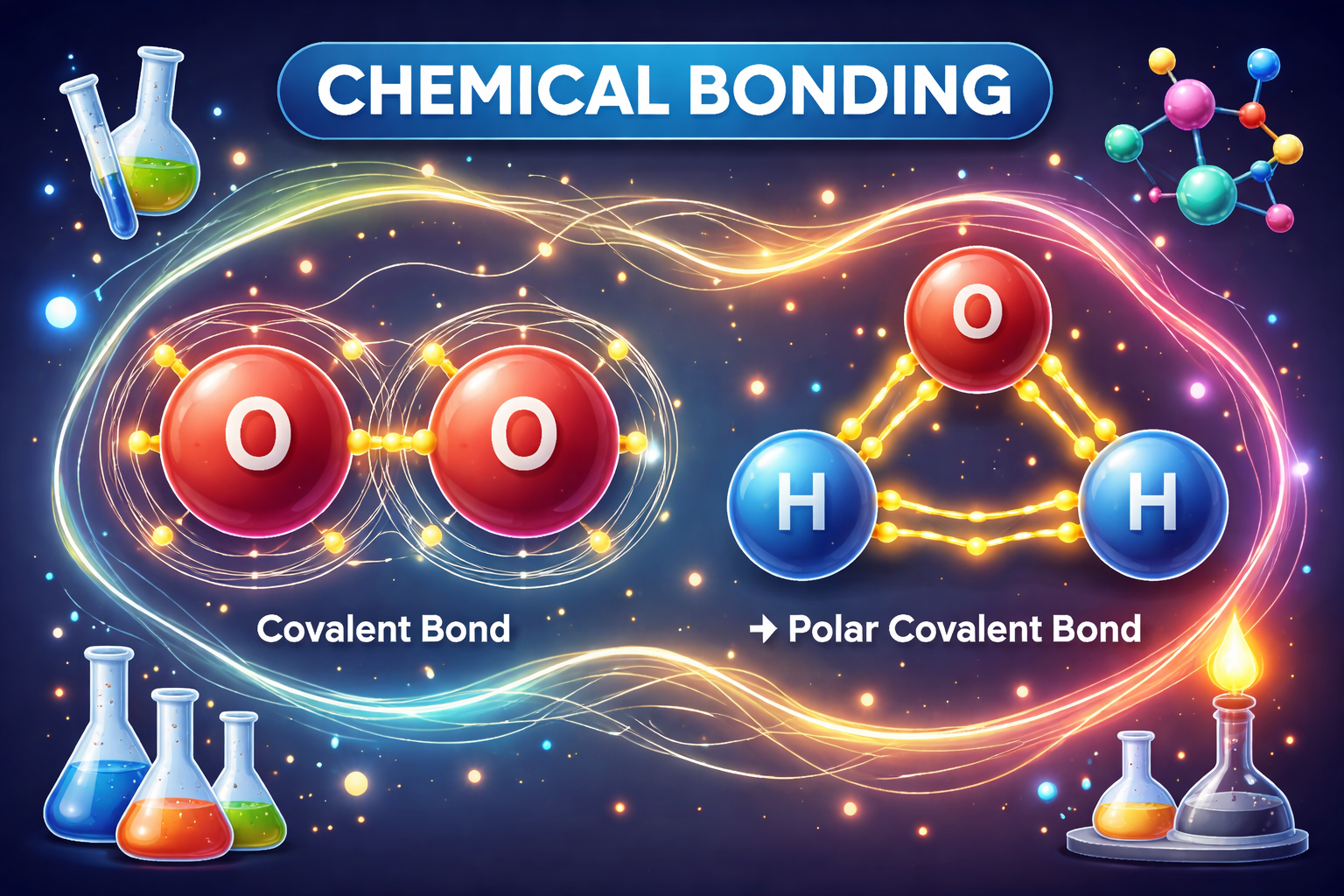
 Chemical bonding is a fundamental concept in chemistry that explains how atoms combine to form molecules and compounds. In Analytical Chemistry, understanding chemical bonding is important because it helps scientists interpret the structure, stability, and reactivity of substances being analyzed. The type of bonding present in a compound influences its physical and chemical properties such as melting point, boiling point, solubility, and electrical conductivity.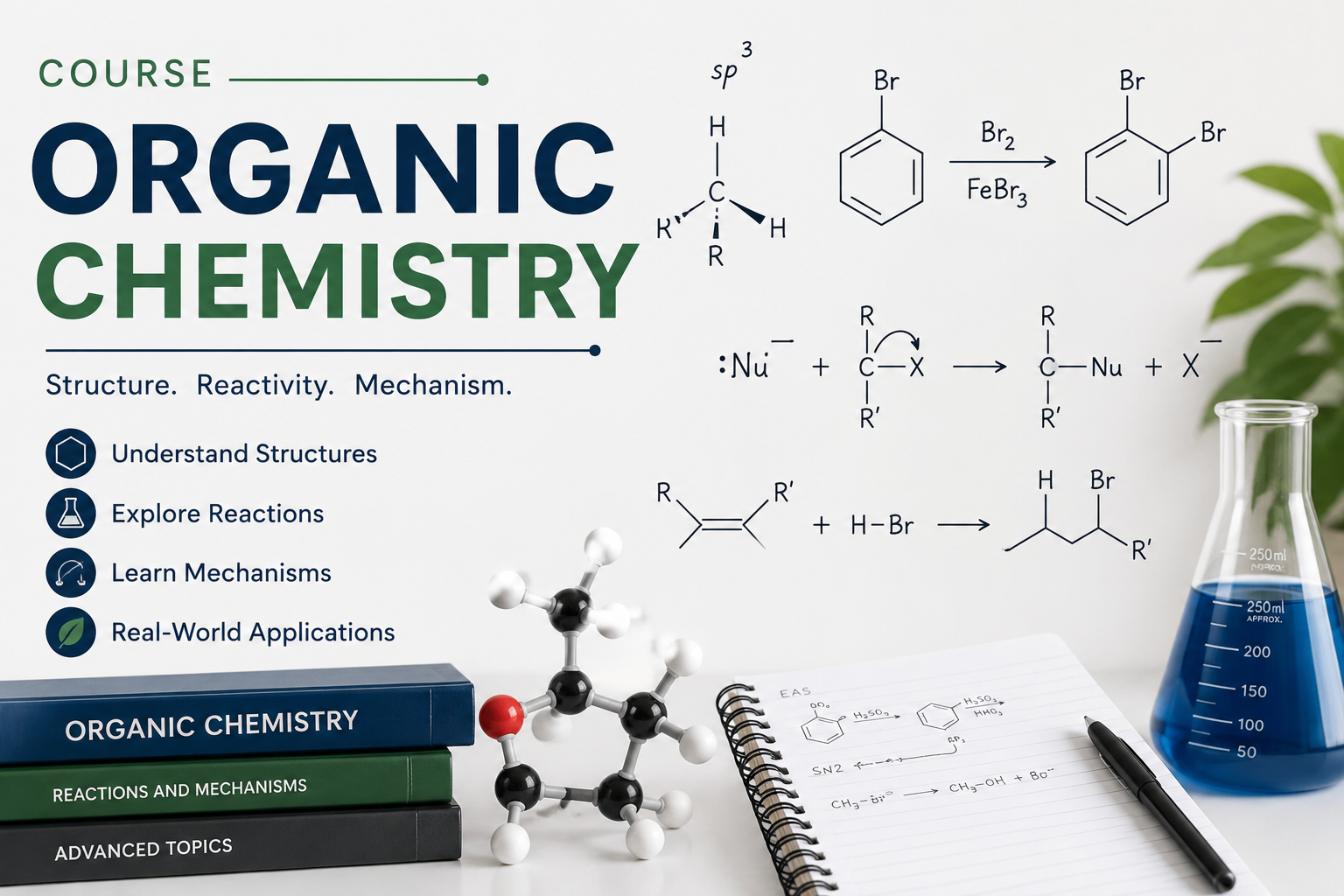
This course introduces learners to the fundamental principles of organic chemistry, with emphasis on the structure, nomenclature, classification, properties, reactions, and applications of carbon-containing compounds. Learners will develop an understanding of the relationship between molecular structure and chemical behavior while exploring major classes of organic compounds, including hydrocarbons, alkyl halides, alcohols, ethers, aldehydes, ketones, carboxylic acids, esters, amines, and polymers.
The course covers key concepts such as chemical bonding, isomerism, functional groups, reaction mechanisms, and organic synthesis. Learners will also perform laboratory experiments to develop practical skills in the preparation, purification, identification, and analysis of organic compounds while adhering to laboratory safety procedures and environmental regulations.
- Teacher: Admin User